Contractor Tax Strategy

Tax strategy built around jobs, crews, equipment, and cash flow

Planning for construction business owners who need better answers before equipment purchases, subcontractor issues, owner pay, estimates, and year-end decisions hit the return.

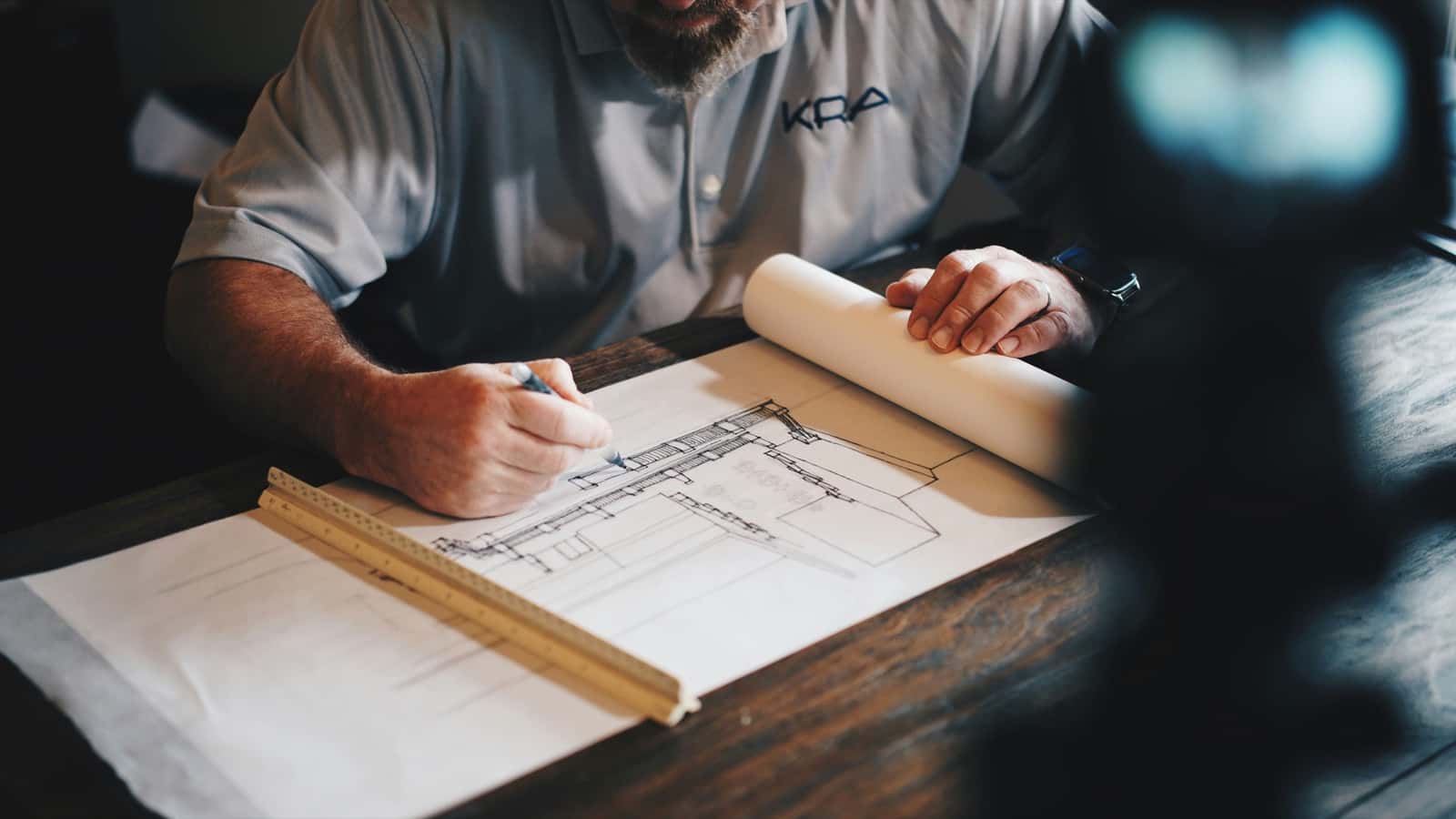
Contractor drawing plans at a desk for a construction project
$2M+ focus
KC metro
Year-round

01

Built for owners who have outgrown reactive filing

At $2M+ in revenue, tax prep alone is usually too late. Valor helps contractors look ahead, pressure-test decisions, and avoid expensive surprises before the year closes.

Entity and S Corp planning
Owner salary and distribution review
Equipment, truck, and depreciation timing
Estimated tax and cash reserve planning
1099, subcontractor, and payroll tax questions
Year-end project and income timing decisions

02

Planning around how construction companies actually operate

Construction income rarely behaves like a simple service business. Job timing, retainage, seasonality, financing, and equipment purchases all affect tax strategy. The advice has to match the way the company earns and spends money.

03

A year-round rhythm

The goal isn't a last-minute deduction hunt. The goal is a planning cadence that gives the owner useful decisions throughout the year and a calmer tax season at the end of it.

Questions

Clear answers before the strategy call.

What is tax strategy for contractors?

Tax strategy for contractors is year-round planning around entity structure, owner pay, equipment purchases, subcontractors, estimated taxes, cash flow, and filing decisions.

Does every contractor need an S Corp?

No. S Corp planning depends on profit, reasonable compensation, payroll requirements, admin cost, and the owner's goals. It should be reviewed before making the election.

Can Valor help before year-end?

Yes. Year-end is one of the most important planning windows, especially for equipment decisions, estimates, owner compensation, and documentation cleanup.

When should a contractor start working with a tax strategist?

The best time is before major decisions are made, especially before equipment purchases, payroll changes, entity elections, or year-end planning windows.

Can tax strategy help with uneven construction cash flow?

Yes. Planning can help owners estimate taxes, preserve reserves, time purchases, and avoid being surprised when a profitable year doesn't feel cash-rich.

What makes a contractor a strong fit for Valor?

A strong fit is usually a contractor doing meaningful revenue, dealing with owner pay, equipment, subs, payroll, and tax questions that need proactive review.
Next step

Ready for tax strategy that works before tax season?

Tell Valor what kind of business you own, where the complexity is showing up, and what you need to make cleaner decisions this year.

Plan Before It Costs You