01
Helpful tax guidance in one place
Use these resources to understand common planning questions before you make decisions about equipment, payroll, estimates, entity structure, or year-end tax moves.
Resources
Practical guidance on contractor tax planning, business tax strategy, entity review, owner compensation, and year-end decisions.
Tax strategy resources
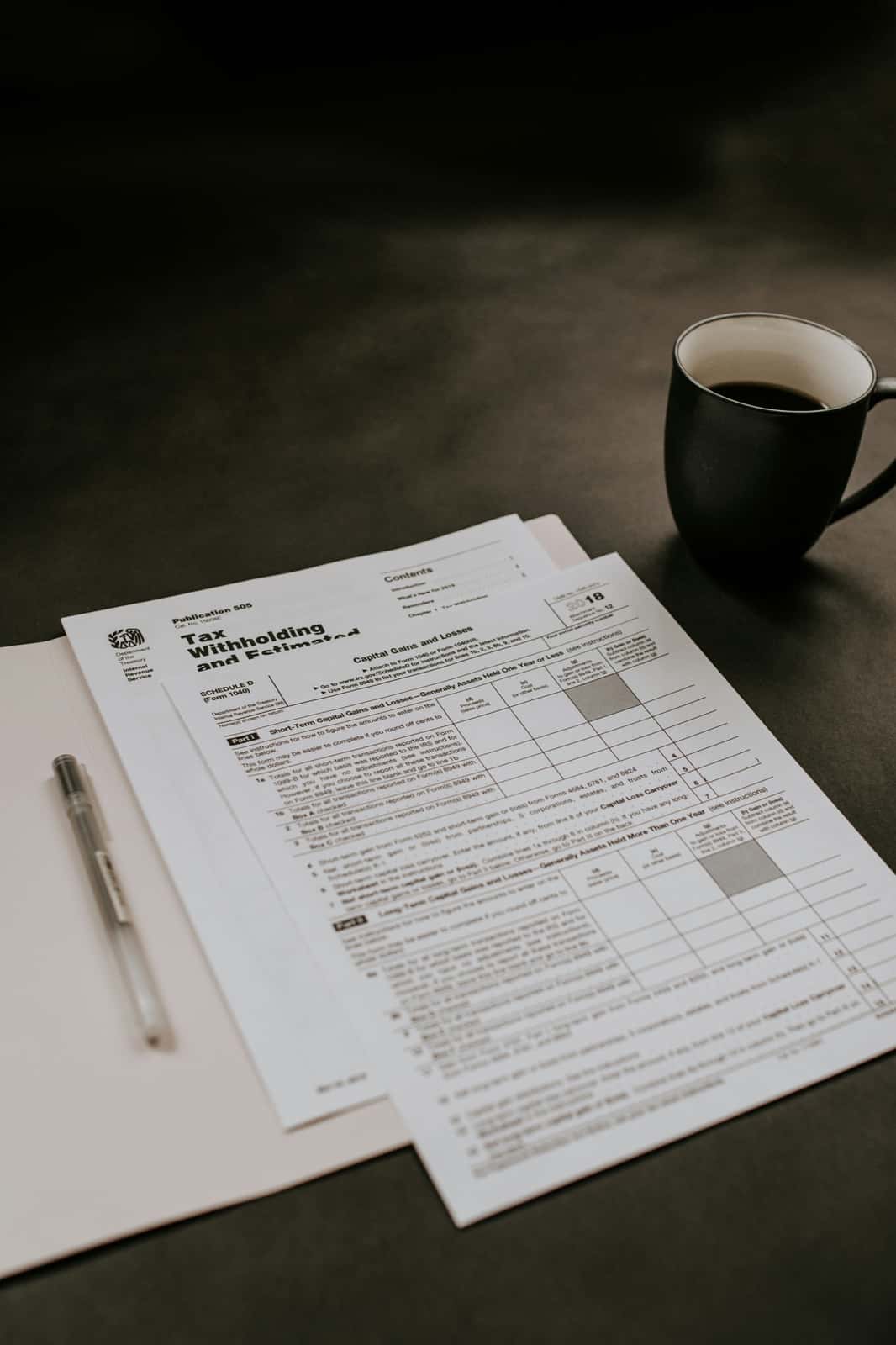
Explore practical guidance on contractor tax planning, entity structure, equipment purchases, owner pay, reserves, deductions, and Kansas City business tax questions.
Contractor Tax Strategy
A change order can add revenue to a job without adding cash to the bank right away. Materials may need to be purchased, crews may work extra hours, and payment may arrive well after the added work begins. If a contractor updates the contract price but doesn’t update the job’s costs and projected profit, tax planning can start with the wrong numbers.
Choosing a Tax Pro
What the announced transaction means for an engagement review, which questions to ask your current firm, and how to decide whether staying or exploring a change fits your business.
Contractor Tax Strategy
Ask a room full of contractors when they last talked to their CPA and most of them will name a date in the spring. The return got filed, a bill got paid, and everyone went quiet until next year.
Choosing a Tax Pro
The signs a growing business may need tax advisory support, what to ask a prospective advisor, and how to plan a change around current responsibilities.
Contractor Tax Strategy
Equipment, payroll, owner pay, estimates, and tax reserves all get easier when they're reviewed before the year closes.
Entity Planning
A plain-English look at when S Corp status can help, when it adds friction, and why owner salary matters.
Construction Accounting
How to think through Section 179, bonus depreciation, financing, cash flow, and whether the purchase actually makes sense.
Tax Planning Basics
Tax prep reports what happened. Strategy helps owners make better decisions while there's still time to act.
Contractor Compliance
The answer affects payroll tax, 1099s, insurance, documentation, and compliance. The label alone doesn't decide it.
Tax Reserves
Why a generic percentage isn't enough for contractors with uneven cash flow, payroll, equipment, and owner pay.
Contractor Deductions
Vehicles, tools, materials, insurance, software, subs, and small job costs are easier to capture with cleaner records.
Kansas City Tax Planning
Crossing the state line for jobs, payroll, materials, or crews can create questions worth reviewing before filing season.
Owner Compensation
Salary, draws, distributions, payroll, reserves, and S Corp rules all need to fit the business, not a random percentage.
Entity Planning
LLC, S Corp, payroll, owner pay, admin cost, and legal considerations should be reviewed before changing anything.
Construction Bookkeeping
Mixed expenses, weak job costing, missing W-9s, and unclear equipment records can turn tax season into cleanup.
Equipment Planning
The answer depends on cash flow, financing, business use, depreciation, and whether the equipment actually helps the company.
Quarterly Planning
Profit, estimates, owner pay, payroll, subs, equipment, and reserves are easier to manage before year-end.
Tax Surprise Prevention
Review profit, estimates, reserves, owner pay, equipment, and books during the year instead of waiting for filing season.
Real Estate Investors
Tax strategy for rentals, acquisitions, cost segregation, 1031 exchanges, passive losses, entities, and exits.
External Resources
A cleaned-up library of tax forms, government sites, financial references, software tools, and legacy web resources.
Strategy Review
Entity setup, owner pay, estimates, equipment, reserves, payroll, and the decisions that can get expensive later.
01
Use these resources to understand common planning questions before you make decisions about equipment, payroll, estimates, entity structure, or year-end tax moves.
02
Start with the area closest to the decision in front of you, then talk with Valor about how the guidance applies to your specific business.
Questions
Contractors can reduce tax surprises by reviewing profit during the year, updating estimated payments, protecting tax reserves, planning owner pay, and talking through equipment purchases before year-end.
It depends on profit, payroll, owner compensation, liability needs, and how the business is actually operating. An LLC is a legal structure; S Corp status is a tax election that should be reviewed with current numbers.
The switch usually makes sense when your business has grown beyond once-a-year filing: surprise bills, larger purchases, payroll, owner pay, entity questions, or decisions that need tax input before the year is over.
Sometimes, but the deduction is only one part of the decision. Contractors should review business need, financing, placed-in-service timing, depreciation options, and future cash flow before buying equipment for tax reasons.
There is no single percentage that fits every contractor. The right reserve depends on profit, entity structure, owner pay, withholding, estimated payments, equipment deductions, and whether the books are current enough to trust.
Often, yes. Contractors working across the metro may have jobs, crews, subcontractors, payroll, or registrations touching both states, so project location and state obligations should be reviewed before notices show up.
Next step
Tell Valor what kind of business you own, where the complexity is showing up, and what you need to make cleaner decisions this year.